Get Trench Installation
Trench installation services help property owners solve drainage, utility, and foundation issues by connecting them with local contractors experienced in digging, laying pipes, cables, and other underground work.
If you’re considering trench installation for your property, you’ve come to the right place. Property owners often explore this work to improve drainage, prepare for utility lines, or enhance landscape functionality. Whether planning a new project or upgrading existing features, understanding your options and connecting with experienced local contractors can help ensure the job is done effectively and efficiently.
Exploring different service providers in the area allows you to compare approaches and find the right fit for your specific needs. Local contractors with experience in trench installation can offer valuable insights and tailored solutions to support your project goals. Keep reading to discover how connecting with qualified professionals can help turn your plans into reality.
- Commercial properties - businesses needing durable trench work for utility lines or drainage systems.
- Residential homes - homeowners requiring trench installation for landscaping, irrigation, or foundation work.
- Industrial sites - facilities that need extensive trenching for electrical, plumbing, or infrastructure projects.
- Public infrastructure - municipalities seeking trench services for roads, bridges, or public utilities.
- Renovation projects - contractors performing upgrades that involve trenching for new utility connections or repairs.
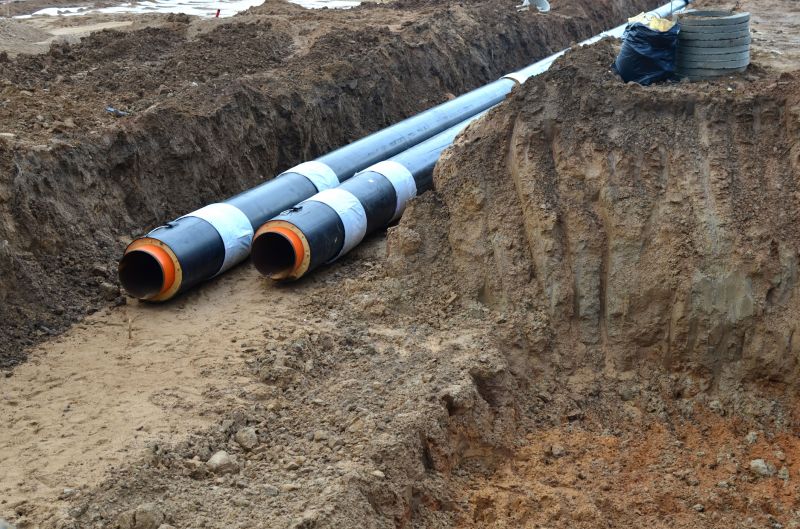
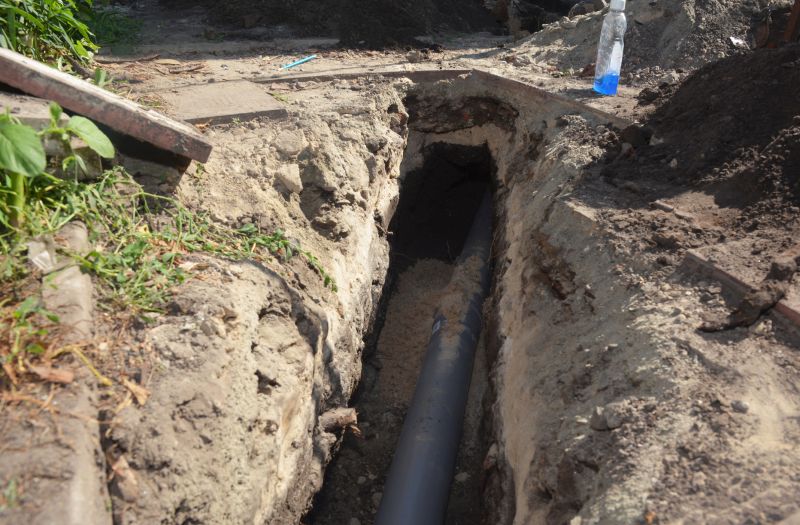
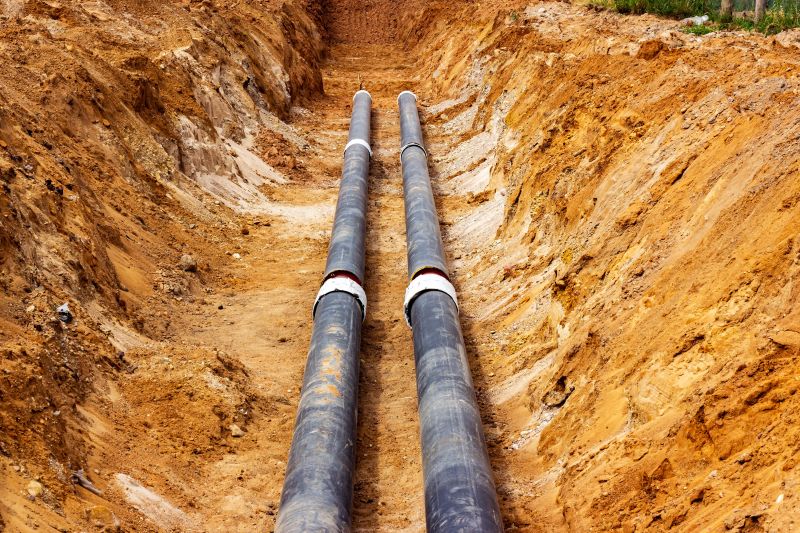
Trench installation services involve digging narrow, precise channels in the ground to create foundations for various structures or systems. This process typically includes marking out the trench lines, carefully excavating the soil, and preparing the area for the next steps, whether that involves laying pipes, cables, or building retaining walls. Skilled contractors use specialized tools and techniques to ensure the trenches are excavated accurately, with proper depth and width, to meet the specific requirements of each project. Proper trench installation is essential for ensuring the stability and safety of underground systems and structures.
One of the primary issues that trench installation helps address is the need for secure and organized underground utility lines. Whether installing water lines, electrical conduits, or drainage pipes, trenches provide a protected pathway that keeps these systems safe from damage and interference. Additionally, trenching can help prevent surface disruption and reduce the risk of future repairs by creating a clear, durable route for utilities. Properly installed trenches also facilitate easier maintenance and upgrades, making them a practical solution for ongoing property management or new construction projects.
Properties that typically use trench installation services include residential homes, commercial buildings, and industrial facilities. Homeowners may need trenches for installing sprinkler systems, sewer lines, or outdoor electrical wiring. Commercial property owners often require trenches for complex utility networks or landscaping projects that involve underground features. Industrial sites might need extensive trenching to accommodate large-scale piping or wiring systems. Overall, any property that requires the installation, repair, or upgrade of underground utilities or structures can benefit from professional trench installation services.
Choosing the right local contractors for trench installation can ensure the work is performed efficiently and accurately. Experienced service providers understand the importance of proper trench depth, alignment, and safety precautions. They can assess the specific needs of each property and recommend the appropriate trenching approach to solve common problems such as poor drainage, utility line damage, or structural instability. Contacting local pros can help property owners find qualified specialists who can handle trench installation projects effectively, ensuring the groundwork is solid for future use and maintenance.
The overview below groups typical Trench Installation projects into broad ranges so you can see how smaller, mid-sized, and larger jobs often compare in your area.
In many markets, a large share of routine jobs stays in the lower and middle ranges, while only a smaller percentage of projects moves into the highest bands when the work is more complex or site conditions are harder than average.
Smaller Repairs - Minor trench repairs or patching typically range from $250-$600, covering basic fixes for common issues. Many routine jobs fall within this middle range, with fewer projects reaching the higher end. Local contractors can often provide accurate estimates based on specific needs.
Standard Installation - Installing a new trench system for typical residential properties usually costs between $1,000 and $3,000. Most projects in this category are straightforward and fall within this range, though larger properties may push costs higher.
Full Replacement - Replacing an existing trench system or handling complex installations can range from $3,500 to $7,000 or more. Larger, more intricate projects tend to reach into this higher tier, depending on the scope and site conditions.
Large or Commercial Projects - Extensive trench installation for commercial or industrial sites can exceed $10,000, with costs varying based on size and complexity. Many such projects fall into the higher end of the spectrum, reflecting the scale of work involved.
Actual totals will depend on details like access to the work area, the scope of the project, and the materials selected, so use these as general starting points rather than exact figures.
Foundation Excavation - local contractors who perform foundation excavation often use trenching techniques similar to trench installation for proper footing placement.
Electrical Conduit Installation - installing underground electrical conduits requires trenching skills and careful planning comparable to trench installation services.
Drainage System Installation - setting up drainage pipes involves trenching and precise layout, making it a related project requiring similar expertise.
Fiber Optic Cable Laying - laying underground fiber optic cables involves trenching and careful planning, aligning with skills used in trench installation.
Sprinkler System Installation - installing underground sprinkler lines requires trenching, making it a related project that involves similar tools and planning.
Utility Line Repair - repairing or replacing underground utility lines involves trenching work and careful coordination with existing infrastructure, similar to trench installation tasks.
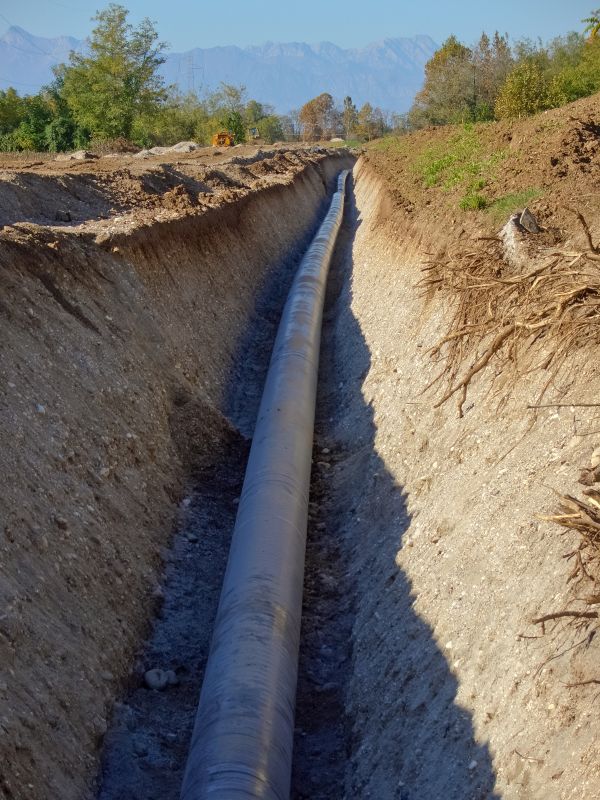
When evaluating local contractors for trench installation services, it’s important to consider their experience with similar projects. Homeowners should look for service providers who have a proven track record of completing trench work comparable in scope and complexity to the job at hand. A contractor’s familiarity with the specific requirements of trench installation can help ensure the work is performed efficiently and meets the necessary standards. Asking for examples of past projects or references related to trench work can provide insight into their expertise and reliability.
Clear written expectations are essential when comparing local service providers. Homeowners should seek contractors who can provide detailed estimates and scope of work descriptions, outlining what is included and what is not. Having a transparent understanding of the process helps prevent misunderstandings and ensures everyone is aligned on the project’s goals. It’s beneficial to clarify aspects like timelines, materials, and any specific requirements early in the process, so expectations are well-managed from the start.
Reputable references and good communication are key indicators of a dependable contractor. Homeowners should inquire about references from previous clients who had similar trench installation work done. Speaking with past customers can reveal insights about the contractor’s professionalism, punctuality, and quality of work. Additionally, a contractor’s responsiveness and willingness to answer questions during initial conversations can signal their level of communication and commitment to customer service. These factors help build confidence in choosing a service provider capable of delivering a successful project.
Property owners use Trench Installation services for practical projects around their homes and businesses. This guide focuses on everyday jobs and straightforward project options.
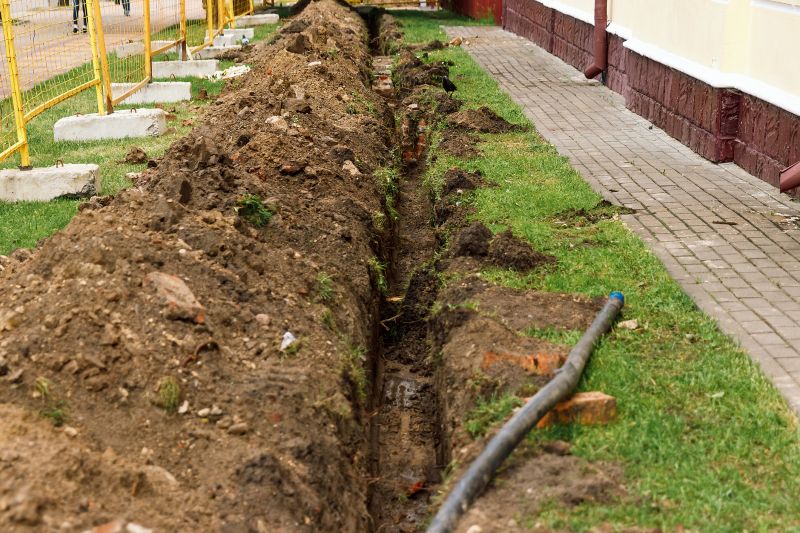
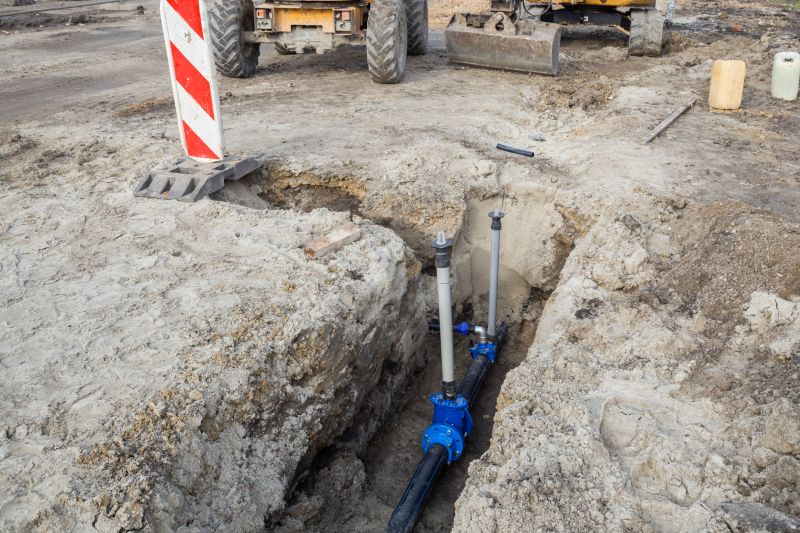
Trench installation services are often needed for a variety of common property projects, such as installing new irrigation systems, laying underground utilities, or creating drainage solutions. Property owners might seek local contractors to handle these jobs when they need a reliable way to manage water flow, improve landscape drainage, or prepare for new infrastructure. These projects can be essential for maintaining the property's integrity and ensuring that outdoor spaces function properly, especially after heavy rain or when upgrading existing systems.
Many property owners turn to local service providers for trench installation when tackling home improvement or maintenance tasks that require underground work. Whether installing new fencing, connecting outdoor appliances, or upgrading existing utility lines, having professional help can make the process smoother and more efficient. Local contractors are equipped to handle these projects safely and effectively, helping property owners address everyday needs with confidence.
What is trench installation used for? Trench installation is typically used for laying utility lines, drainage systems, or irrigation pipes underground to protect and organize essential infrastructure.
How do I know if trench installation is suitable for my project? Local contractors can assess the site and determine if trench installation is appropriate based on the project's specific needs and soil conditions.
What types of trenches do service providers commonly install? Service providers often install various trench types, including shallow, deep, or narrow trenches, depending on the purpose and site requirements.
What materials are used for trench backfilling? Common backfill materials include soil, gravel, or sand, which are selected based on stability needs and the type of utility being installed.
Are there any permits required for trench installation? Permit requirements vary by location; local service providers can advise on the necessary approvals for trench work in a specific area.
Drainage Solutions - Proper trench installation can help improve drainage around a property, preventing water accumulation and potential flooding during heavy rains.
Foundation Protection - Installing trenches can direct water away from a building’s foundation, reducing the risk of water damage and structural issues.
Landscape Enhancement - Trench services can be used to create borders or pathways that enhance the aesthetic appeal of outdoor spaces.
Irrigation Setup - Trench installation can facilitate underground irrigation systems, ensuring efficient watering for gardens and lawns.
If you are thinking about Trench Installation for a property, this guide is meant to help you understand the work, the typical project types, and how different options might fit your plans.
When you are ready, you can use the quote form on this page to share a few details about your project. From there, local pros can review the basics and respond with options that match what you have in mind.